
Clay loves water
Clay protects straw and wood by electronically drawing water molecules away from it and thus reducing decay, mold, and pest infestation.
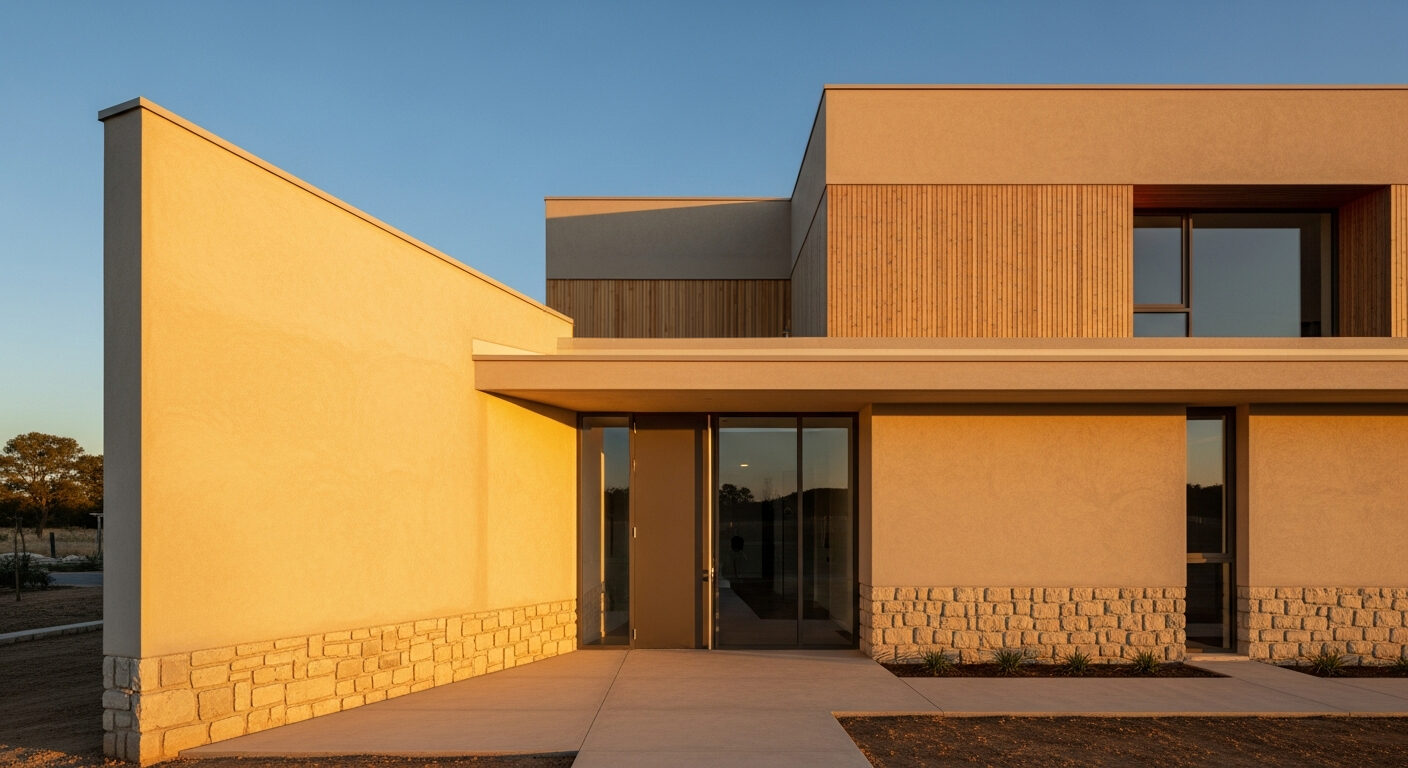
A principled initiative to make light straw clay a code-recognized insulation system for low-rise buildings — backed by rigorous testing and proven, replicable performance.
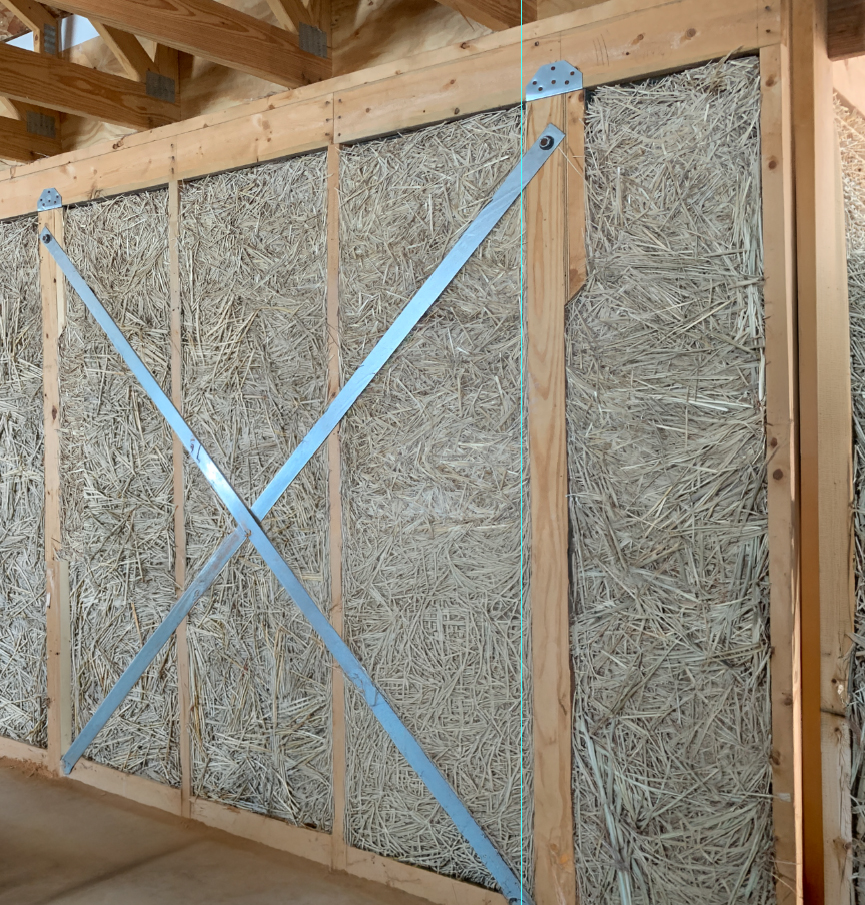
Light straw clay (LSC) is a remarkable synthesis of ancient building technology and modern science. It consists of loose straw lightly coated in a clay slip, packed into conventional wood framing.
3 simple ingredients: clay + straw + wood— the epitome of ecological construction for low‑rise buildings up to 4 stories tall.
Clay protects. Straw insulates.Together, they create a superb, durable, fire-resistant, carbon-storing insulation that regulates humidity—ancient wisdom, validated by modern science.
700-year durability proven by structures still inhabited in Germany and England.
Read the Full Specification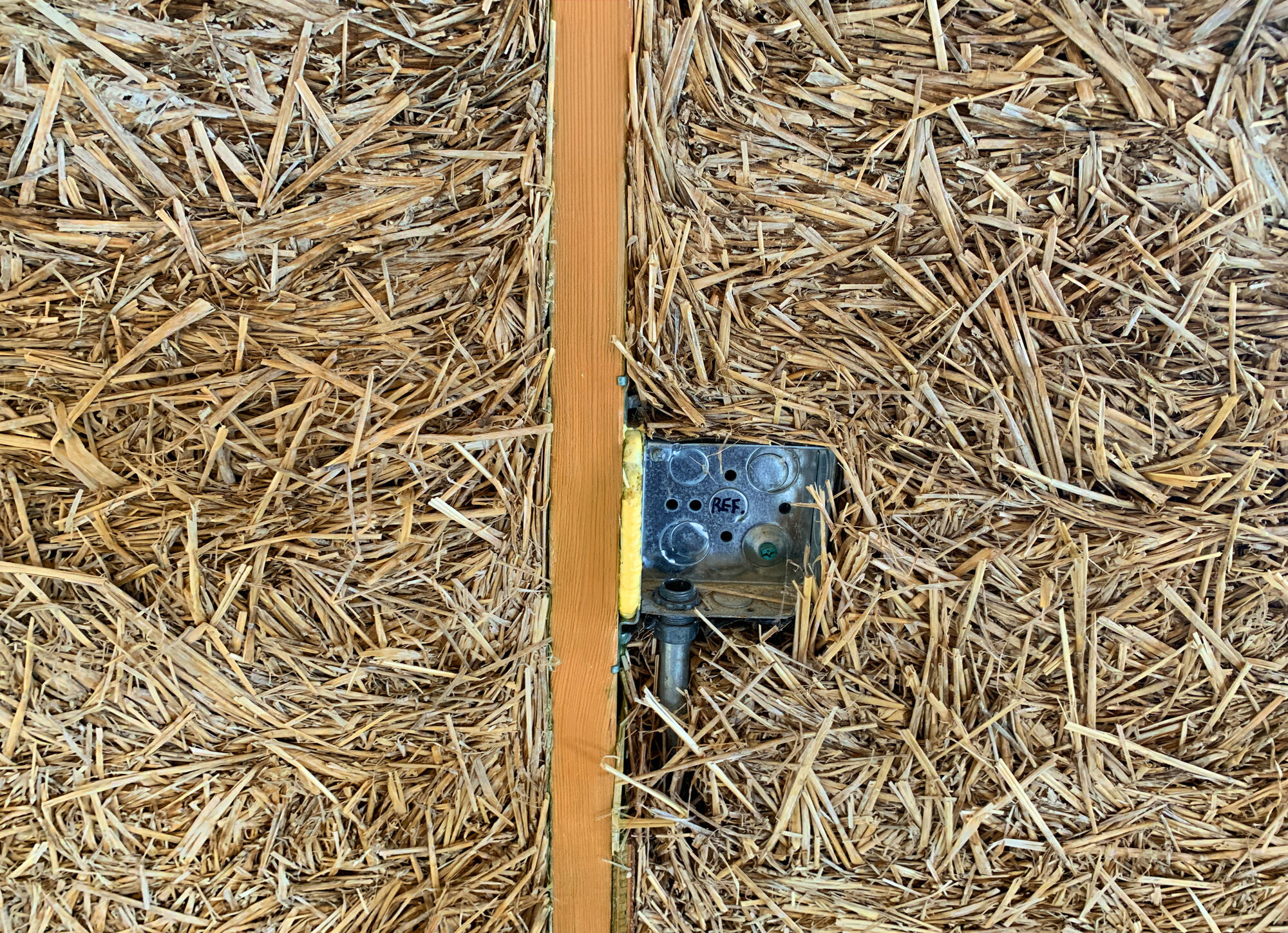
"Analogous to the slow food movement — principled, local, natural building."
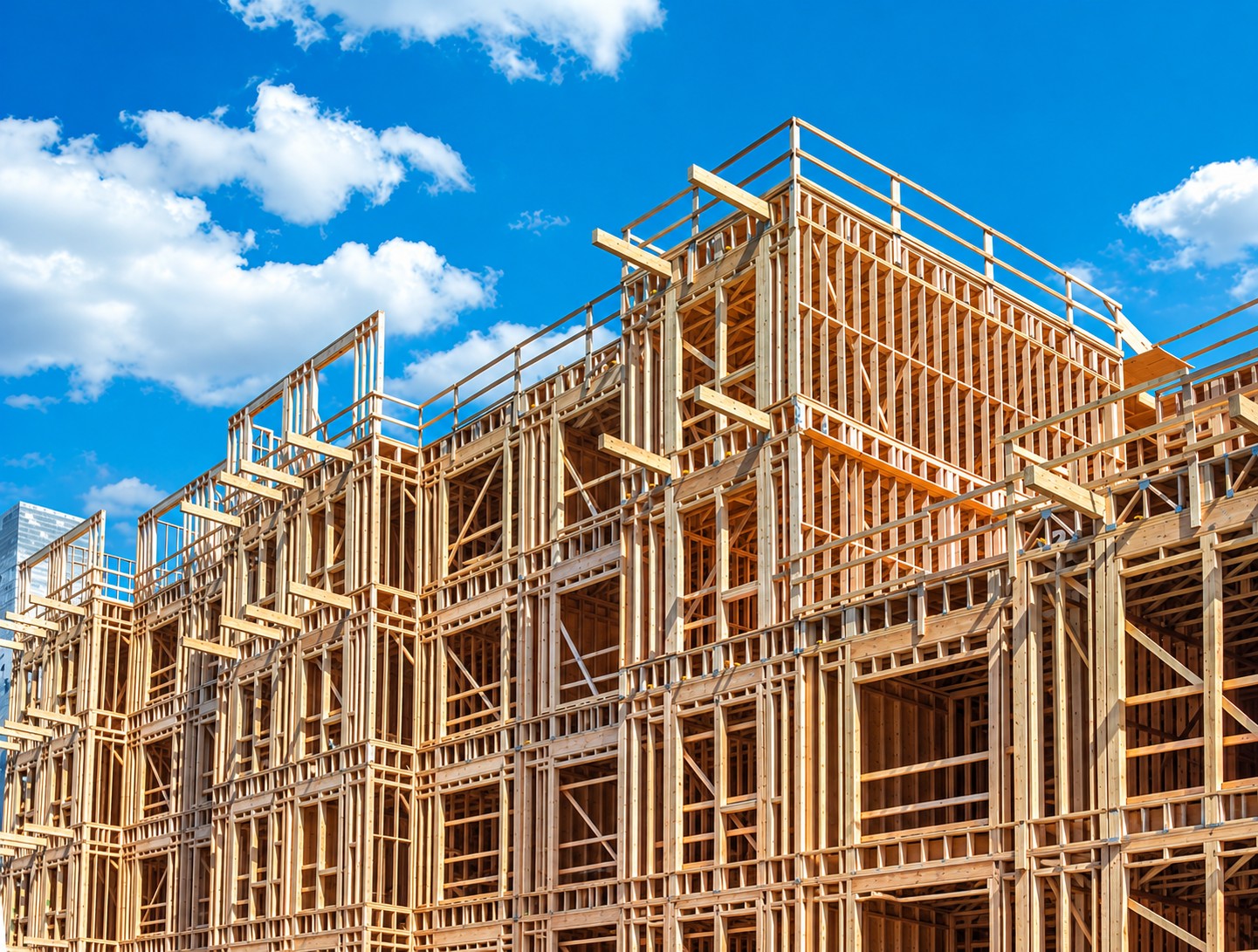
LSC fits within familiar 2×6 wood framing, so builders can use a conventional framing system while adding a natural insulation infill.
Using locally sourced clay and straw, the installation involves an intensive 3-5 days of infilling the wall cavities using equipment designed to fit on a pick-up truck.
The protective layer
When properly designed and applied, clay protects straw from water, fire, and decay.

Clay protects straw and wood by electronically drawing water molecules away from it and thus reducing decay, mold, and pest infestation.
Clay doesn’t burn because it is a non-combustible, inorganic mineral that slows the burning of building materials it is in contact with.
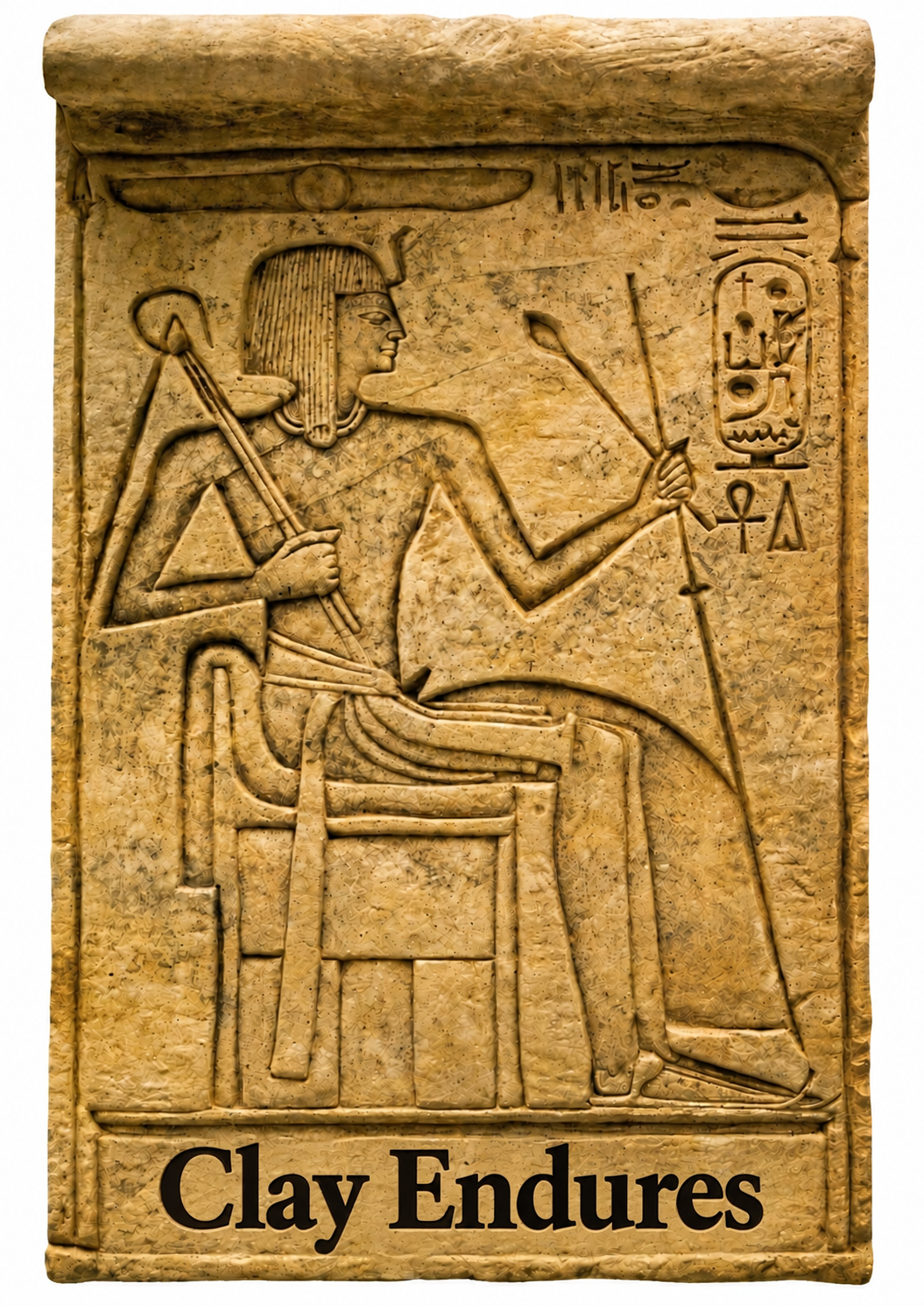
Clay does not biologically decay. Clay endures when walls can breathe. Vapor-permeable finishes allow seasonal moisture to move through the wall without condensing—a principle proven by 14th-century German straw-clay buildings still in use today.
Research on clay-based building materials points to strong moisture-buffering potential and high fire resistivity. Our testing is working to define how LSC assemblies perform across different climates and will ultimately lead to the development of replicable, dependable mix ratios, material specifications, and installation requirements for IBC inclusion. Visit Materials and Research/Testing for more information.
Advancing time-tested knowledge into evidence modern construction can trust.
A future where LSC is commonplace in low-rise construction—proven by science, recognized by code, and replicated with confidence.
Advance LSC through research, development, and certified testing to establish reliable, regionally calibrated specifications for mainstream use.
Earth to building and back again. Bolstering local economies by building communities that belong to a natural biological cycle with local hands and regional agricultural materials.
Testing Fund
Our team members helped bring LSC into IRC Appendix AR by providing thermal testing and drying rate data for region specific insulation using carefully calibrated ratios of clay to straw. Now we're building the evidence to bring it into the IBC. Every dollar donated goes directly to fire, hygrothermal, and sound resistance testing — the final barrier between LSC and mainstream code recognition.
Rigorous testing unlocks code recognition, insurability, and mainstream adoption of a truly regenerative wall envelope system, turning the simplest of locally available materials into a regionally calibrated, predictable, and replicable building system that melts back into the earth at the end of its life.
Completed 2004 by Design Coalition and Forest Products Laboratory, USDA.
Completed 2004
Completed 2020 by Douglas Piltinsrud, PhD and Lou Host-Jablonski.
Completed 2020
Currently under development by LSCC and Threshold.
In Progress
To be completed after Fire Resistance. This is an analysis of how heat, air, and moisture move simultaneously through walls over time.
Planned 2029
To be completed after Hygrothermal.
Planned 2030
Transforming the building industry takes architects, builders, funders, and researchers working in concert. Find your path.
For Builders & Architects
Join us in developing tested specifications, mix ratio data, and practical construction guidance. Whether you bring experience with bio-based materials or are just beginning to explore them, we invite you to share what you know, learn from the research, and help move the work forward.
For Donors and Funders
Directly remove barriers to mainstream adoption by funding critical fire, hygrothermal, and sound resistance testing with a clear view of where your support goes and the results it makes possible.
View Funding RoadmapFor Researchers & Labs
Partner with us to shape rigorous test protocols, investigate real-world LSC performance, and build the evidence base for codes, standards, and broader adoption.